Scott Saunders (pictured, below), Technical Manager at Watco UK, shares his expert advice on preventative maintenance, floor care, warehouse floor paint and operational best practice to help logistics and distribution centres maintain a strong footing throughout 2026 and beyond.
What advice would you give to facilities managers who want to take a more proactive approach to maintenance and repairs this year?
“The key is to not wait for minor issues to become major problems. Seasonal changes, particularly the colder, wetter weather in winter, often leads to damage and hazards. Scheduled inspections and checklists for floors, steps and drainage points can prevent costly accidents and disruption.
“Using the right materials from the outset also makes a huge difference. Durable industrial floor coatings, e.g. Watco’s ‘Epoxy Gloss Coat’ help protect high-traffic areas, while anti slip coatings such as our ‘Safety Coat’ can be applied to the floor around entrances, ramps and wash-down zones to reduce slip risk from surface water. For small areas of surface damage, fast-setting repair solutions allow teams to carry out repairs quickly and get areas back into use with minimal downtime.”
How should warehouse layouts be reviewed to improve safety and flow efficiency? Is zoning essential?
“Warehouse layouts should be reviewed regularly, especially when operations change or new equipment is introduced. Many sites evolve organically over time, which can create pressure points where pedestrians, forklifts and automated vehicles meet. These areas not only slow operations down but also increase the risk of collision accidents.
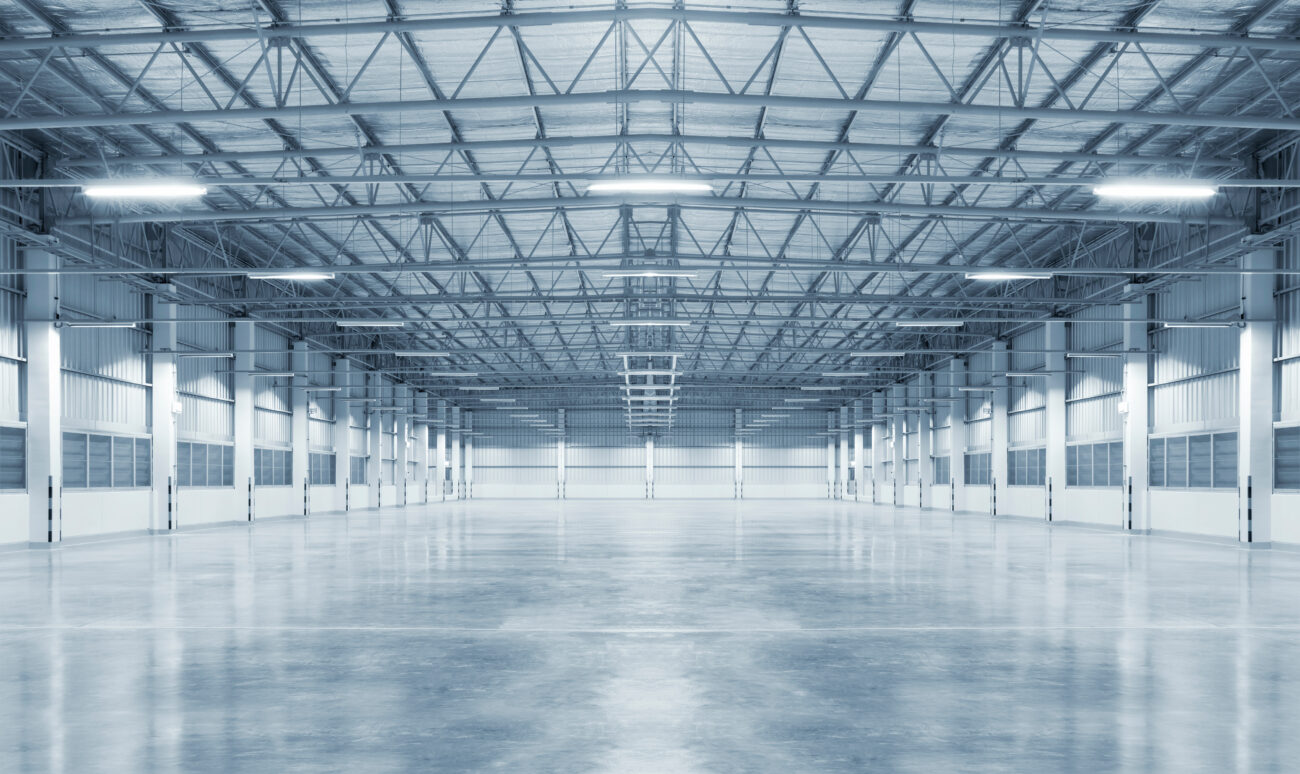
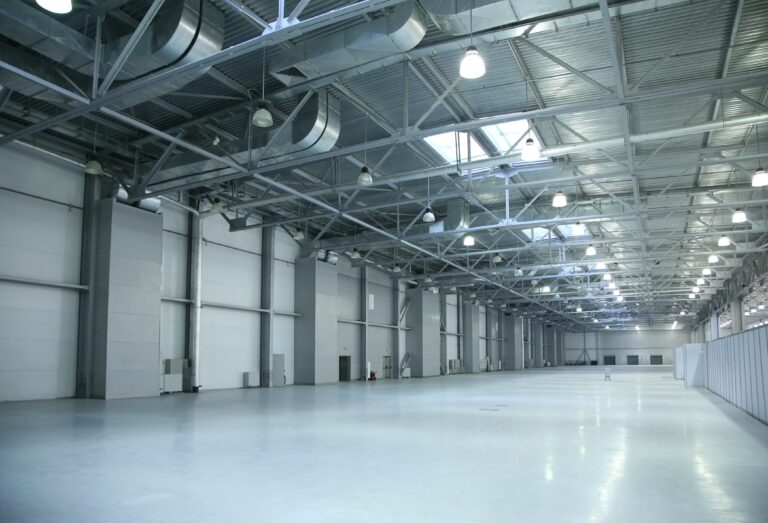
Factory background with concrete floor, night scene.
“I do believe that zoning is essential for safe, smooth-running facilities today. Introducing clear pedestrian paths, and categorising facility areas based on usage e.g. parking bays and storage areas helps to ensure clear boundaries and safer behaviour.
“We offer both paint and tapes for teams to identify whether they want to line mark a boundary on the floor, or paint the whole section in a designated colour for illustrating zones. Watco’s ‘Epoxicote High Build’ and ‘Safety Tapes’ are ideal for defining zones quickly and clearly as they can be applied with minimal operational disruption. Observing how people and vehicles actually move through the warehouse is also important; layouts should reflect real-world use, not just plans on paper.”
How can health & safety costs in warehousing be monitored and evaluated?
“Many operators focus on direct costs such as PPE or training, but the indirect costs can be far greater. Lost time, damaged goods, insurance claims and reputational impact all add up quickly. Tracking near-misses, minor injuries and urgent repair requests provides valuable insight into underlying issues and helps prioritise investment.
“For example, repeated floor repairs in the same location often indicate that a more permanent solution is needed. Logging defects, repairs and associated downtime allows operators to identify trends, justify preventative spend and, over time, reduce both maintenance demands and overall health and safety costs.”
How do you recommend FMs get on top of flooring inspections and repairs?
“The most effective way to get on top of flooring inspections and repairs is to build them into everyday routines. Assigning responsibility for inspections e.g. a checklist that is tackled by a rota, ensures issues are spotted consistently, not just when problems become obvious.
“Inspections should focus on high-traffic routes, loading bays and areas exposed to moisture or chemicals, with findings logged so recurring issues can be tracked and prioritised. Smaller areas of surface damage such as hairline cracks, loose edges or shallow holes should be addressed quickly, before they develop into larger, more disruptive repairs.
“Planning for frequent, small-scale repairs also makes a difference. Using fast-curing repair materials allows work to be carried out in live environments with minimal disruption, which removes one of the main barriers to acting early.”
Warehouse floor paint
We talk a lot about warehouse automation, but many distribution centres are still untidy and cluttered. How can that be avoided?
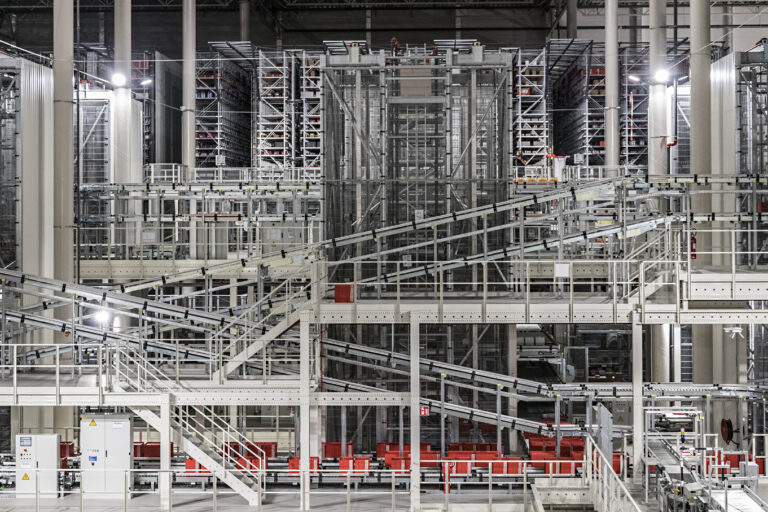
“Automation doesn’t remove the need for good housekeeping – in fact, it makes it even more critical. Automated systems rely on clear routes, smooth floor conditions, and well-defined zones. Cluttered floors, damaged markings or poorly stored pallets can quickly undermine the benefits of automation.
“Avoiding this comes down to culture and clarity. Visual management, such as clear line markings and signage reinforces expectations. Temporary overflow should not become permanent, and regular audits help maintain standards. When staff understand the ‘why’ behind keeping areas clear, compliance improves and automated systems can deliver maximum value.”
How much downtime is typically involved in line marking, re-painting, matting, and taping work in warehouses?
“Downtime is often the biggest concern, but modern materials and methods have reduced disruption dramatically. Many line marking paints and floor coatings are fast-curing and can withstand traffic within two hours. Work can also be phased or carried out in quieter shifts to minimise operational impact.
“Similarly, high-quality matting and surface treatments can be installed quickly, providing immediate safety and efficiency benefits. The short-term inconvenience is minor compared to the long-term gains: reduced accidents, fewer urgent repairs, and a more productive warehouse.”