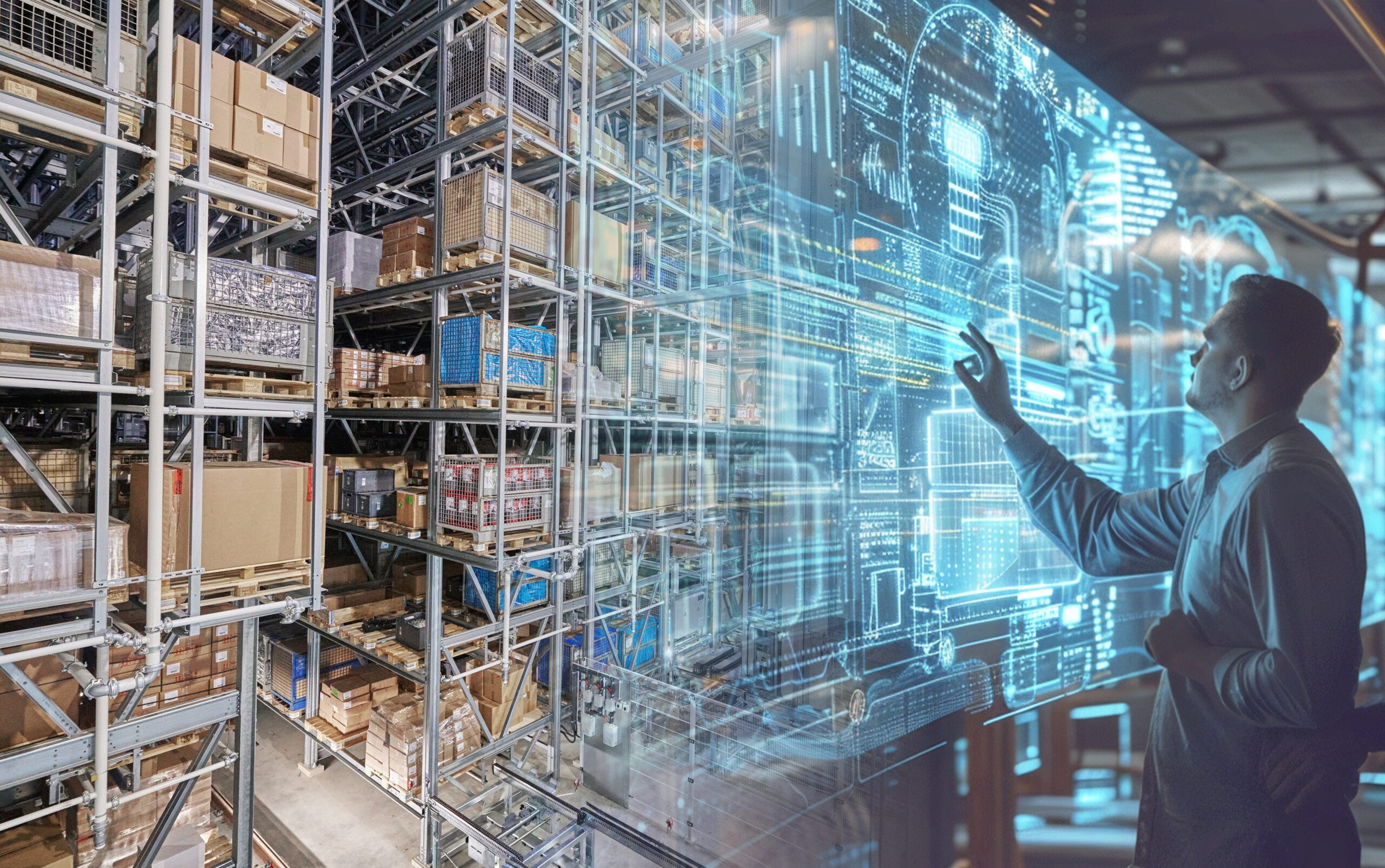
Software Migration for Automated Warehouse

Following the successful software migration of an automated high-bay pallet warehouse and manual warehouses, Klinkhammer Intralogistics has been awarded the contract to connect an additional warehouse location of Otto Lehmann GmbH to its Warehouse Management System (WMS). This involves connecting a manual pallet block storage facility in Geiselhöring as an additional location in a separate instance to the ‘KlinkWARE’ WMS for an external service provider.

Otto Lehmann GmbH, with around 400 employees, is a leading manufacturer of roofing products and drainage technology – from snow guard systems and roof module holders to gutter hooks. The product range comprises around 3,000 product variants. Around 10,000 tonnes of steel and around 3,000 tonnes of non-ferrous metals, primarily copper and zinc, are processed each year.

The company plans to set up an external storage facility in Geiselhöring. This warehouse will be managed using KlinkWARE WMS, but will be operated completely separately from the main warehouse in Neutraubling. The plan is to use independent software and system configuration on a separate server, which will exchange data with the main system via a shared host interface. The focus is on processing goods receipts and full picks for around 50 fast-moving items. In addition to goods receipt and dispatch of pallets – including tour approvals and packing station allocation – the new warehouse will also use the software to map stock transfers, stock corrections and inventory.

Due to the high degree of standardisation of the KlinkWARE software, the entire project will take only around eight weeks and includes testing, commissioning, training, system support and the user documentation. The warehouse will be set up as a separate address in the main system to ensure a systemic separation of the company’s own warehouse from the warehouse of the external service provider. At the same time, there will be a connection to the central WMS via the ERP system, which generates withdrawal notes.

Back in spring 2025, a four-aisle automatic high-bay warehouse with storage and retrieval cranes and picking stations, a manual long goods warehouse and a block storage facility at the Neutraubling site were converted to KlinkWARE. The reason for the migration was outdated servers and operating systems, which posed an increased security risk. In addition, the maintainability of the existing software was limited, making it necessary to adapt it to the current development environment.

By creating a new set of specifications, a comprehensive process optimisation was also carried out. This made it possible to eliminate functions that were no longer needed and, at the same time, to incorporate frequently missing requirements into the new solution. By connecting the external warehouse, Otto Lehmann is creating greater transparency through standardised systems and is consistently continuing the modernisation of its logistics IT.
Yard Management for Smaller Logistics Facilities

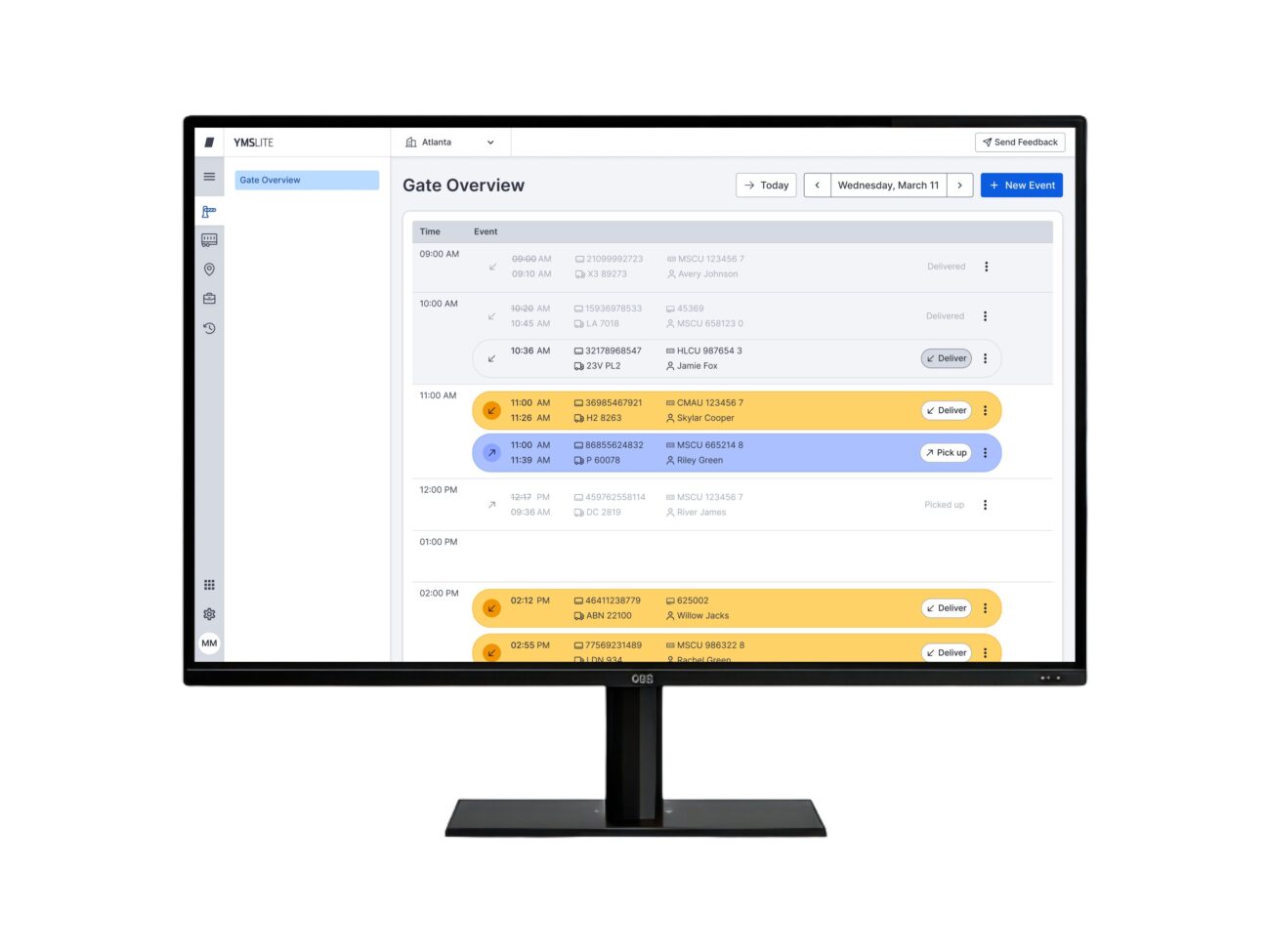
INFORM software has announced the launch of ‘YMSlite’, an entry-level yard, dock, and gate management solution for small to mid-sized warehouses, distribution centres, carrier and container yards, 3PLs, and manufacturing sites with yard operations. The easy-to-use software gives operators a straightforward way to organize and monitor yard operations in real time.

In many smaller facilities, yard operations remain one of the least digitized areas in the supply chain. Trucks wait at the gate, dock doors are occupied longer than necessary, and teams rely on phone calls, radios, and manual lists to keep track of trailers and containers. This leads to unnecessary dwell times, higher detention and demurrage costs, and a constant risk of miscommunication between warehouse staff, transport partners, and gate personnel.

“In Europe, a lot of everyday yard operations still run on clipboards, spreadsheets, and local knowledge,” says Gary Van Tassel, Director of Sales for Terminal & Distribution Center Logistics at INFORM. “At the same time, customers feel growing pressure from rising transportation costs, driver shortages, and increasing service expectations. YMSlite gives small and mid-sized facilities a practical way to gain control over their yards. With real-time visibility, better dock planning, and fewer surprises at the gate. Without the overhead of a big system implementation.”

Yard, dock, and gate in one platform

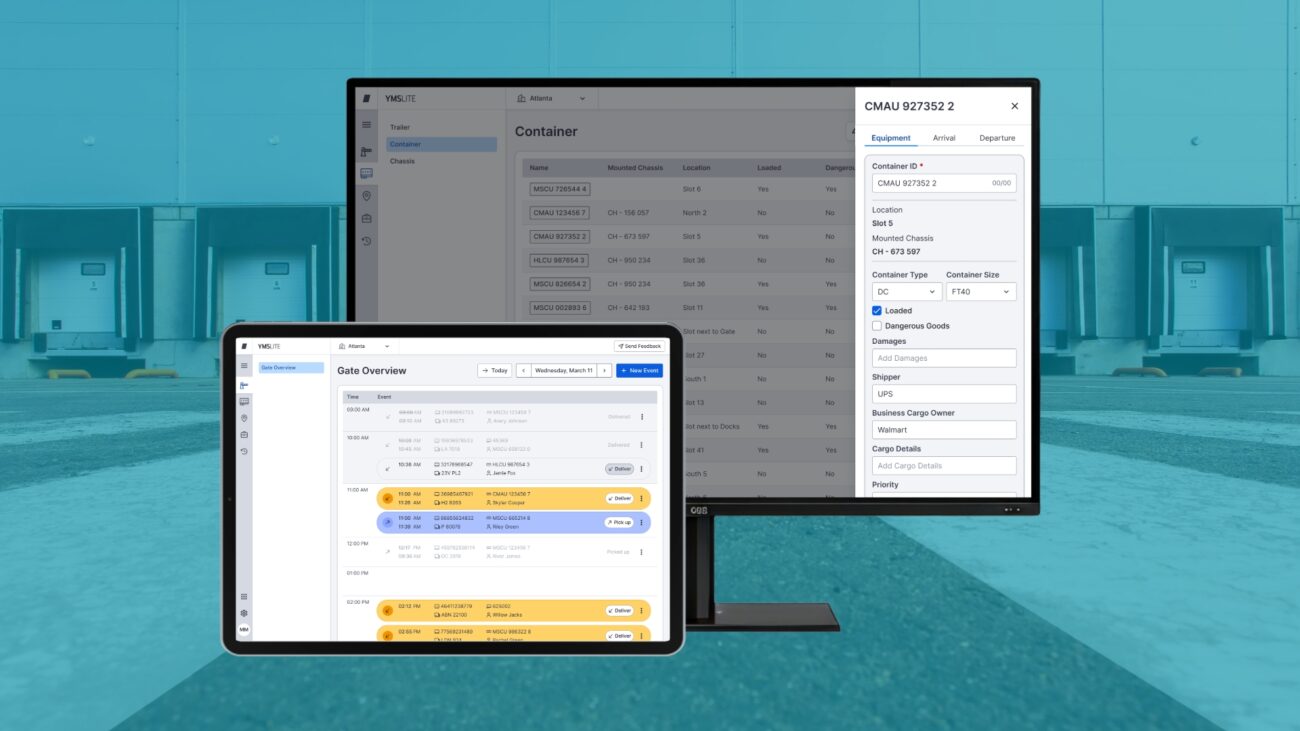
As a standalone system, YMSlite combines yard, dock, and gate operations in a single web-based application. Operations teams can configure their yard layout – including parking spots, docks, and bulk areas – and track trailers, containers, and chassis in real time. A live yard overview shows where each unit is located and for how long it has been there, allowing teams to reduce search times and act early when dwell times become critical.

Within the application, users can assign equipment to doors, block and unblock locations, and move trailers between parking slots and docks. Gate staff benefit from a clear overview of expected arrivals and departures and can mark check-in and check-out directly in the system, linking each truck to the relevant unit and yard location. A compact KPI view provides insights into yard occupancy, dock utilization, gate activity, and dwell times to support data-driven decisions.

Built for smaller facilities – fast start, low risk

YMSlite is tailored for small and mid-sized warehouses, distribution centres, carrier and container yards, 3PLs, and manufacturing sites that need professional yard management without the complexity of enterprise systems. The user interface is intentionally simple and immediately understandable for operational teams on the ground – so users can get started without extensive training. Setup is equally straightforward: new sites can be configured within 30 minutes, enabling teams to work with the software quickly and productively. Fully cloud-based, YMSlite can be implemented directly without dedicated IT projects or in-depth IT know-how.

YMSlite is offered with a transparent subscription model, with a flat monthly rate and no hidden fees or long-term commitments. A free trial of 15 days allows interested companies to test the solution with their own data and processes before making a decision.

“Over the past decades, INFORM has built a strong portfolio for complex logistics operations all over the world,” says Karsten Schumacher, Product Manager YMSlite, Terminal & Distribution Center Logistics at INFORM.

“With YMSlite, we are deliberately extending this portfolio to smaller logistics facilities. Many of these sites face the same visibility and efficiency challenges as large operations but have lacked a solution that fits their scale and resources. YMSlite closes exactly this gap and allows us to support customers from small businesses through to global enterprises with the right level of functionality in each case.”

Developed with and for smaller logistics facilities

During customer pilots of YMSlite, companies were able to replace paper-based yard lists and manual gate logs with a shared digital view of all trailers, docks, and appointments. Participants reported faster access to information, fewer misunderstandings between staff, and more predictable yard flows, particularly during peak periods.

“YMSlite has been a clear step up from working in Excel. The interface is clean, the system is easy to understand, and we were up and running in about five minutes. Cloud access means we can reach the same up-to-date information from anywhere and don’t have to worry about different file versions. If you’re looking for a straightforward, more structured alternative to spreadsheets, I’d recommend giving YMSlite a try,” says a Warehouse Manager for a leading regional 3PL and YMSlite Beta User.

Ongoing feedback from beta users continues to shape the product’s evolution. Upcoming enhancements in analytics and reporting will expand the system’s capabilities without compromising its intuitive, user-friendly design.

Order Picking with Intelligent Robotics

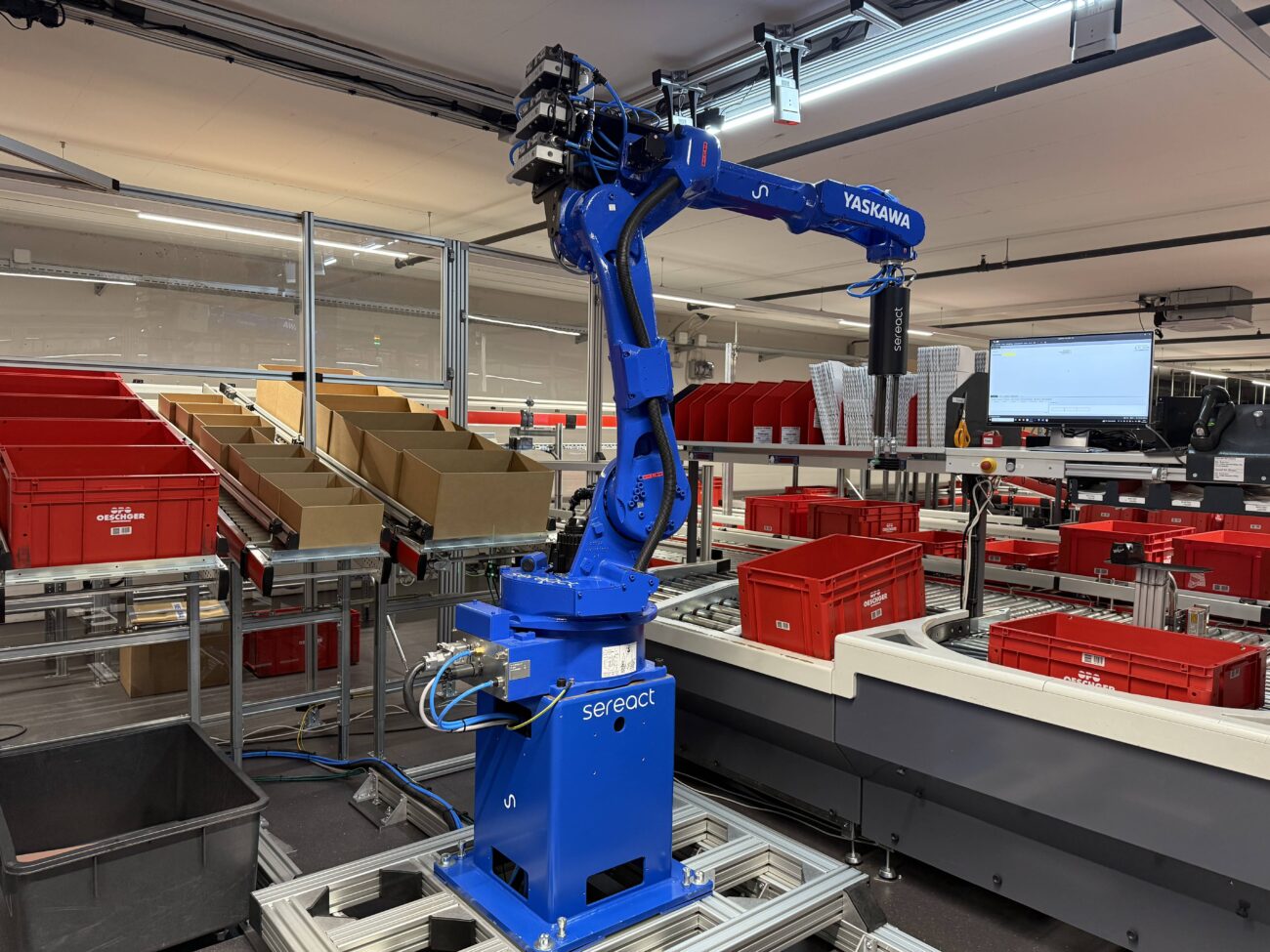
A tightly scheduled picking process, an automated shuttle warehouse, and in the middle of it all, a manual step that slows everything down. OPO Oeschger was looking for a solution that would fit into existing structures without changing them. Sereact impressed with a robot-based solution that uses artificial intelligence and works immediately. The robotics integrate seamlessly into existing processes and ensure a noticeable increase in efficiency.

OPO Oeschger is a Swiss family-owned company headquartered in Kloten, founded in 1926 and now employing around 300 people. With a range of more than 70,000 items, OPO Oeschger is one of the leading suppliers of fittings and components for carpenters, wood, glass, and metal construction, as well as for schools and resellers. In addition to furniture and kitchen fittings, the range also includes door and building fittings, machines, and tools. In its logistics, OPO Oeschger consistently relies on highly automated processes to deliver not only quickly but also reliably. Order picking is also being specifically developed with new technologies to meet increasing demands.

When standard solutions don’t help

Many processes in logistics at OPO Oeschger are already automated. Nevertheless, the goal was to identify new potential. There was a particular need for action in the area of order picking. Although an automated small parts warehouse was in place, items were still being picked manually. Since the warehouse building offers only limited space and the processes are precisely coordinated with the conveyor technology, the new solution had to be implementable without major interventions.

Adjustments to the conveyor technology or upstream control processes were out of the question. The solution had to integrate seamlessly into an existing workplace without imposing new processes. This is precisely where other providers who offered only standardized systems failed. OPO Oeschger, on the other hand, was specifically looking for a solution that would fit into the existing system and could realistically replicate the behavior of a human picker.

The robot picks what fits

Sereact impressed OPO Oeschger with its willingness to consistently adapt to the existing framework conditions. “The Sereact team came to our site, took a close look at our processes, and very quickly understood how they work,” explains Daniel Schütz, Operations Manager Logistics at OPO Oeschger.

“While other providers proposed standard solutions, we were able to implement individual requirements together with Sereact.”

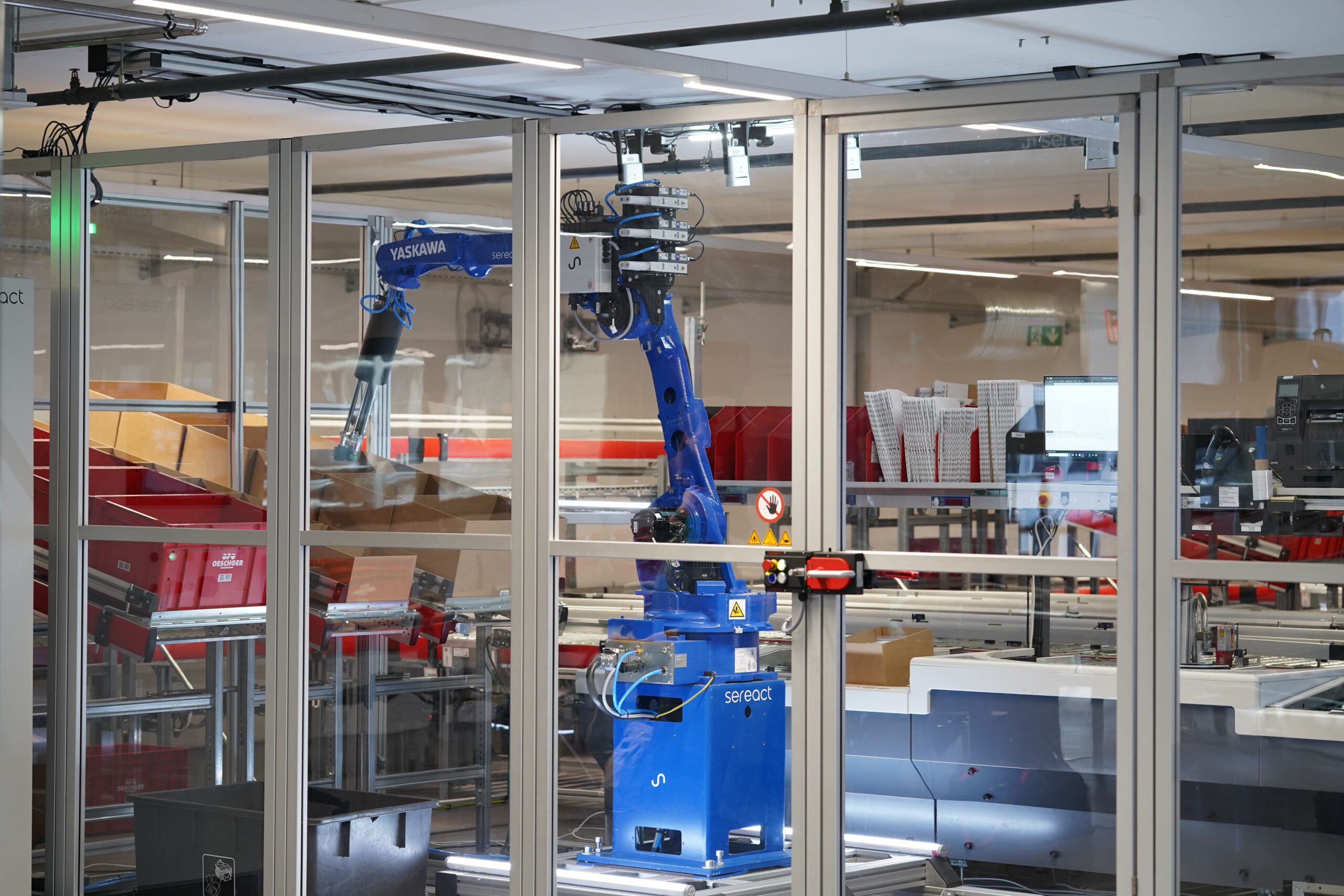
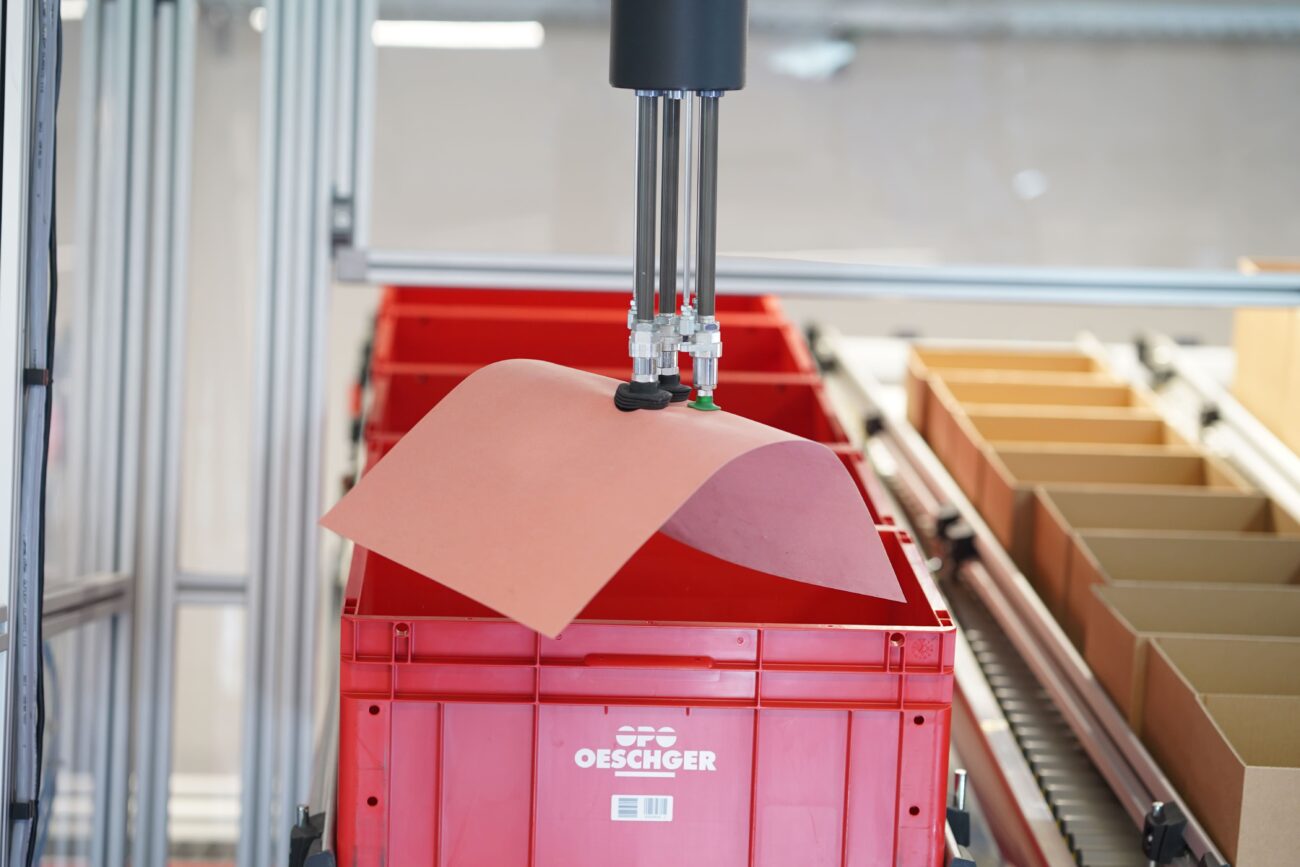
The picking robot was integrated into an existing picking workstation. Instead of adapting the environment, the robot was designed to perform the tasks of a human employee as realistically as possible: it picks up target cartons and places them in two target locations. If requested to pick up a destination container, the robot first removes the anti-slip mat from the container. The robot then removes items from a source container and places them in the prepared destination carton or container. These are then sent on to the conveyor system for further processing.

A prerequisite for commissioning was a targeted adaptation of the interface in the warehouse management system, which was implemented without any problems in cooperation with TGW Logistics. This meant that only orders suitable for automated picking could be forwarded to the robot. The selection of suitable items is carried out directly by OPO in the item master. The actual picking and placement logic — i.e., the decision on how to place and stack items in the box—is entirely controlled by Sereact’s AI-supported control system. No product training was necessary. The AI solution takes care of product recognition, selection, and picking independently. The precision of the solution is particularly evident with items for which the cardboard packaging has been calculated exactly. Targeted preselection is crucial for the stability of the process.

An employee who doesn’t need a break

With the use of the picking robot, OPO Oeschger has taken an important step toward future-oriented logistics processes. The robot reliably performs standardized picking tasks that were previously covered by manual labour, thus creating a noticeable reduction in the daily workload. It works stably and reliably, especially with items that meet clearly defined criteria. Technically, the robot would be capable of significantly higher performance. At OPO, however, the speed was deliberately throttled in order not to overload the existing structural structure. In its current configuration, its performance is roughly equivalent to that of half a full-time employee. This deliberate limitation is part of a strategic approach.

OPO is using the project to learn specifically how AI-based robotics can be integrated into existing processes and what conditions need to be created for later scaling. At the same time, the expertise of the employees remains central: they now focus more on complex picking processes that involve handling flexible or sensitive products, for example. The combination of robot-assisted automation and human experience increases overall efficiency and process quality. Items that are not suitable for the robot are specifically excluded in the warehouse management system. For OPO Oeschger, the use of this technology was not a measure to reduce staff. Rather, the focus is on gaining knowledge. The aim is to further develop the system in a targeted manner and make it scalable.

What works today will continue to grow tomorrow

The experience gained from the project forms the basis for future automation projects at OPO Oeschger. The company is already working with Sereact and TGW Logistics to further develop the interface logic. The aim is to control even more precisely which items the robot can handle in the future, even for more complex orders with mixed items. In the medium term, the picking robot will interact intelligently with manual workstations and automate where it makes economic and procedural sense.

“We deliberately viewed the project as an investment in know-how,” explains Schütz. “We also wanted to learn at an early stage how picking robots can be meaningfully integrated into our processes, with a view to today’s operations and future logistics strategies.”

The aim is also to increase the utilization of the existing robot. The use of additional units is also planned for the future. Based on the knowledge gained, a scalable solution is to be developed that fits seamlessly into future infrastructures and consistently exploits the potential for automation. With the knowledge gained, OPO Oeschger and Sereact are working together to further optimize logistics processes in order to reap the full benefits of automation in the long term.

Pallet Pooler helps Flowers for Mothers Day

A fresh flowers business is blooming in time for Mother’s Day thanks to a supply chain partnership which helps it cope with a 100 per cent increase in demand. Global agribusiness Flamingo has its busiest time of the year in the first quarter of every year, with Valentine’s Day quickly followed by Mother’s Day.

It works with one of Europe’s leading pallet poolers, IPP, to ensure its blooms make it to the supermarket shelves in good time for key events in its peak season, while also reaching key efficiency and sustainability targets.

During this time, it will see the number of pallets transported by IPP increase by 100 per cent – a vital partnership for the business, which has seen a five per cent increase in overall demand for its products year-on-year.

Flamingo supplies hundreds of millions of stems of flowers, plants and produce to UK and European supermarkets and florists. It works with partner growers in 19 countries, with a goal of products reaching the shelves within 96 hours of being farmed.

It relies on IPP to keep its supply chain moving with a reliable supply of pallets, enabling it to move products efficiently from its sites to its retail customers.

Vanuza Machado, UK inbound logistics co-ordinator, said:

We’ve been working with IPP for more than 10 years, building a strong and collaborative partnership over that time. Key events like Mother’s Day bring a significant uplift in volume, so flexibility and responsiveness are crucial. IPP supports us by ensuring pallet supply keeps pace with increased demand, helping us manage peak volumes smoothly and maintain service levels during our busiest periods. This long-standing partnership is built on reliability, open communication and a shared focus on continuous improvement. As our business grows across the UK and Europe, having trusted partners who understand our operations is more important than ever.

Sustainability is a priority for Flamingo as it continues to grow, with its focus on reducing its carbon footprint through renewable energy investment, greater use of sea freight, improved water stewardship, lower chemical usage, biodiversity projects and stronger waste and recycling programmes.

IPP aims to bring innovation and added value to the partnership beyond simply providing pallets, as its use of Internet of Things technology and its advanced forecasting and planning capabilities helps optimise product flows during peak periods, reducing waste and unnecessary miles.

IPP commercial director Demi Crabbe said: “For more than a decade, our partnership with Flamingo has demonstrated the value of reliability and innovation during peak periods. We have a truly collaborative approach to resolving any challenges, which we achieve through open communication. Improving efficiencies and reducing environmental impact is at the forefront of both our agendas. By combining our robust pooling network with our circular approach, we help customers reduce waste, cut carbon and deliver products on time, every time. This Mother’s Day, we’re committed to ensuring Flamingo can meet demand seamlessly and continue delighting consumers across the UK.”

Subscribe

Get notified about New Episodes of our Podcast, New Magazine Issues and stay updated with our Weekly Newsletter.