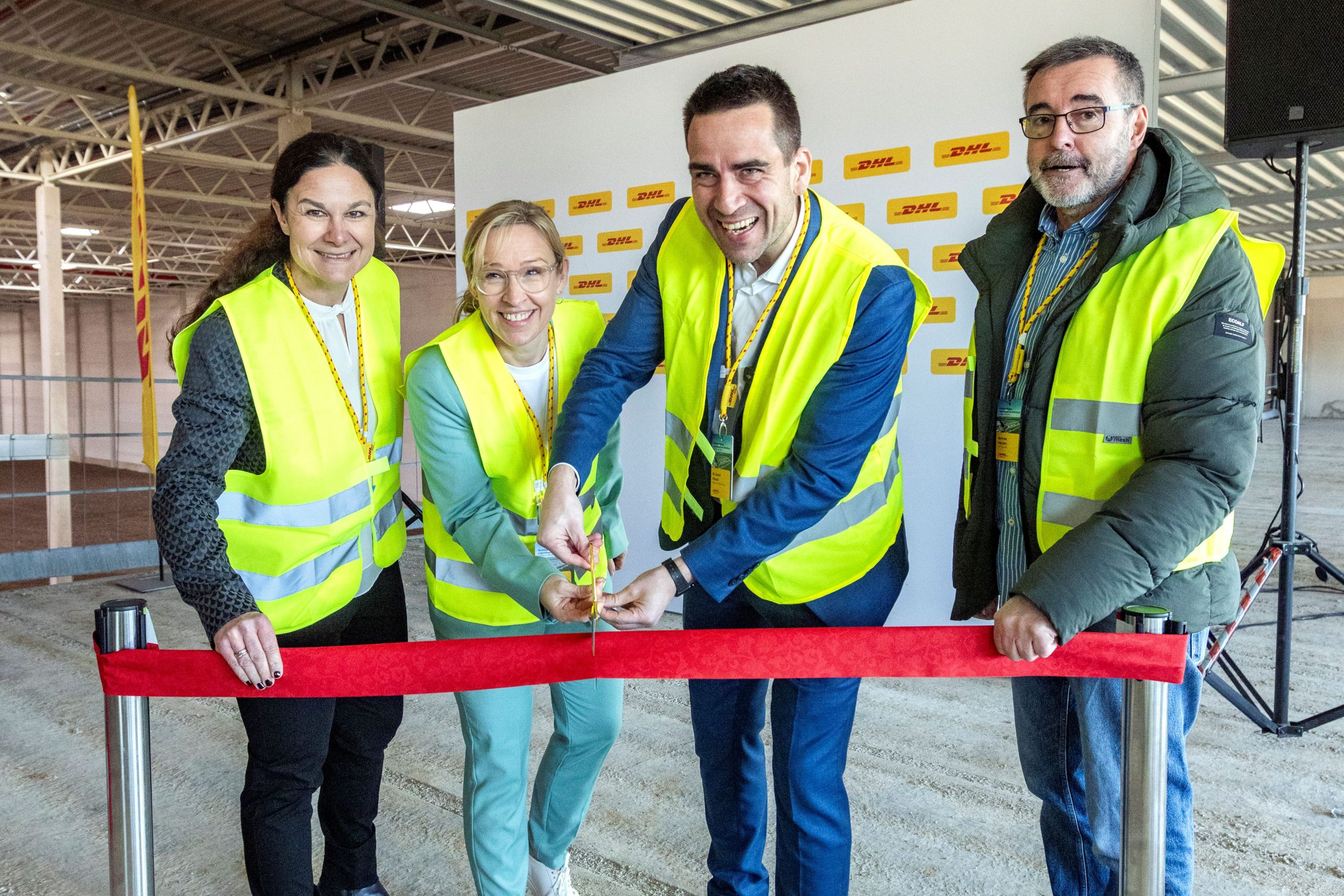
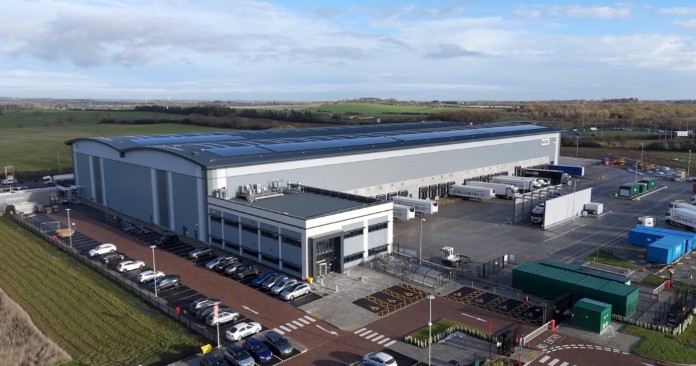
DHL Supply Chainis set to open a 26,600 m² carbon‑neutral logistics centre in Rheinbach, Germany, in August 2026, strengthening its European network and supporting more resilient, flexible supply chains. The facility will provide modern warehousing and transshipment capabilities, designed to meet diverse customer needs, from traditional logistics to automated processes.
Sustainability is at the core of the project. The centre will feature a 1 MWp photovoltaic system, battery storage, heat pumps, and energy‑optimised LED lighting, enabling carbon‑neutral operation. It is being built to the Gold Standard of the German Sustainable Building Council (DGNB), reflecting DHL’s commitment to environmentally responsible logistics.
Strategically located with access to the A61 motorway and near Cologne/Bonn and Düsseldorf airports, the hub will improve delivery efficiency and reduce supply chain vulnerability. Katrin Hölter, CEO DHL Supply Chain Germany & Alps, said the site “makes our customers’ supply chains less susceptible to disruptions and supports efficient, climate‑friendly logistics.”
DHL Supply Chain’s decision to locate here is another significant milestone in the ongoing development of the Wolbersacker business park and underscores Rheinbach’s appeal to companies from a wide range of industries, thanks to its outstanding location profile. DHL Supply Chain is not only setting new benchmarks in modern, sustainable construction; it is also creating additional jobs and strengthening the regional economy,
says Rheinbach’s mayor, Dr. Daniel Phiesel.
The Rheinbach centre underscores DHL’s ongoing investment in sustainable, future-ready logistics infrastructure, combining operational efficiency with environmental responsibility.
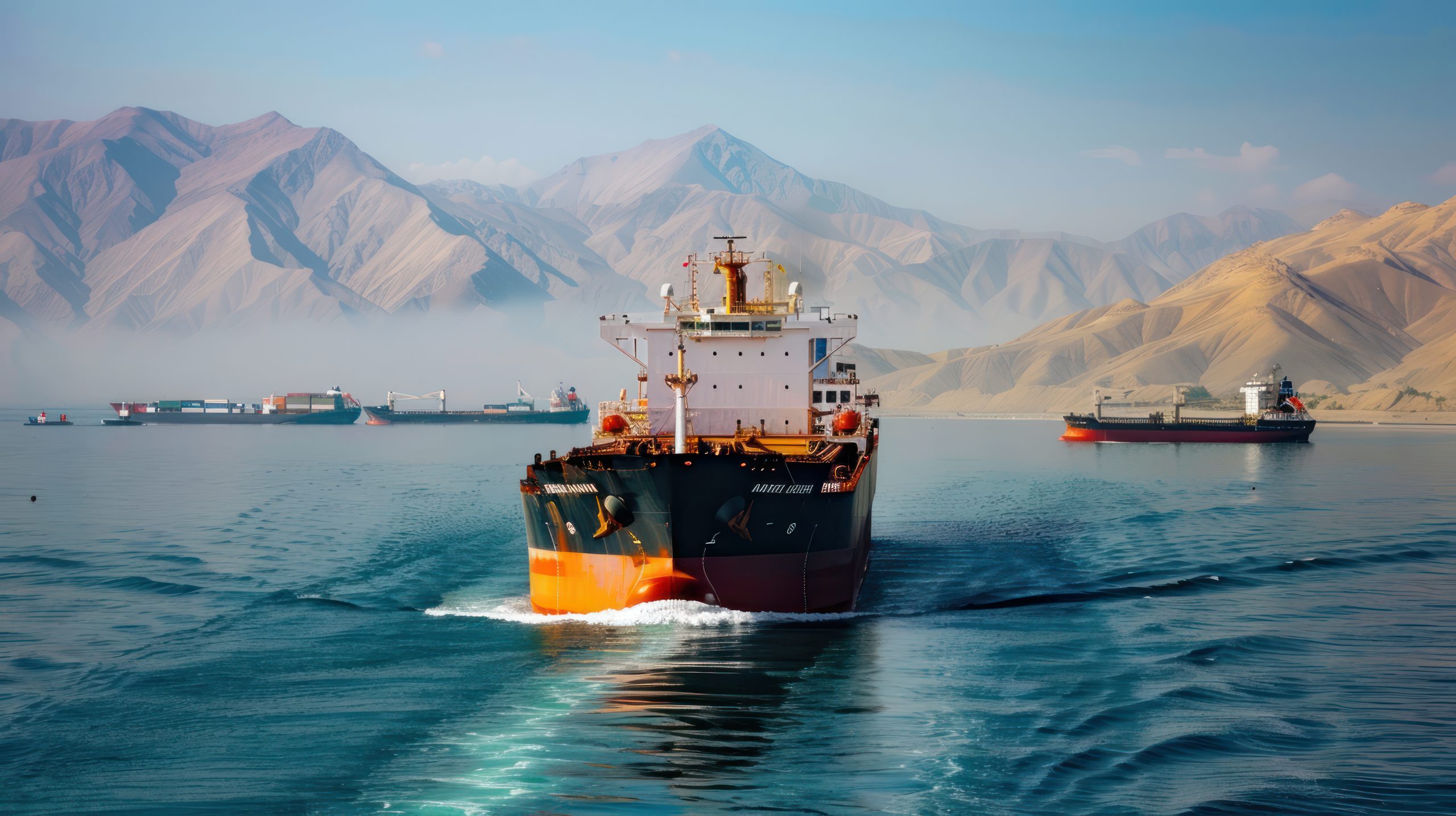
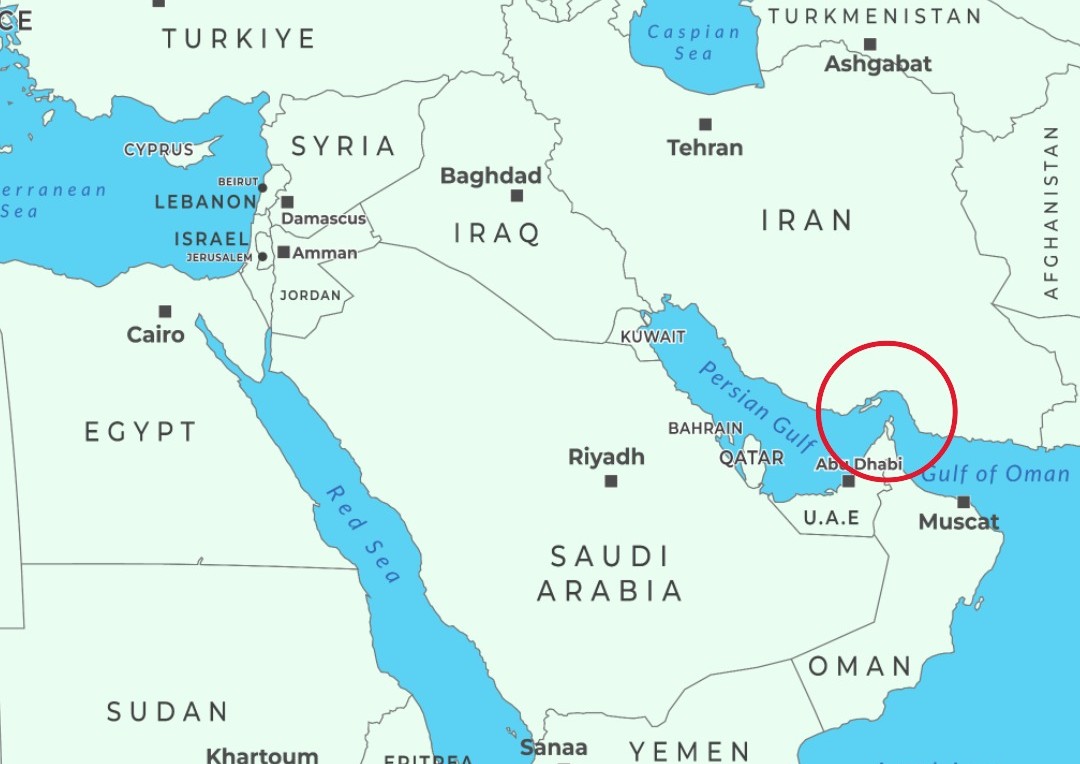
As the conflict involving Iran intensifies, logistics and supply chain networks worldwide are feeling the strain. Rising tensions are once again placing strategic maritime chokepoints such as the Strait of Hormuz under heightened scrutiny, with carriers and insurers monitoring developments closely.
DHL has warned that volatility across Middle Eastern corridors is contributing to longer transit times, elevated insurance premiums and higher fuel costs. The company has indicated that contingency routing and risk mitigation measures are increasing operational complexity for customers.
Meanwhile, container lines are taking decisive action. In a customer advisory issued on 4 March 2026, Maersk announced it is temporarily suspending new cargo booking acceptance to and from several Gulf states – including the United Arab Emirates, most of Oman, Iraq, Kuwait, Qatar, Bahrain and parts of Saudi Arabia – until further notice, with exceptions for essential goods such as food and medicine. The carrier noted that ports including Jeddah, King Abdullah and Salalah remain operational, and advised customers to explore alternative routings or inland gateways where possible.
Maersk has also cautioned customers about elevated risk levels in Gulf waters, highlighting the potential for disruption, schedule adjustments and additional war-risk related costs as insurers reassess regional exposure.
Other major carriers including Hapag-Lloyd, CMA CGM and COSCO have similarly referenced increased insurance premiums and potential war-risk surcharges in affected regions, reflecting the broader risk environment confronting global shipping lines.
Data from container visibility specialist Vizion suggests the market reaction is already significant. According to the company’s Tradeview platform, container ports in the Arabian Gulf – particularly those located east of the Strait of Hormuz – typically account for around 3.4 million TEU of annual booked volume, representing an estimated US$140 billion in cargo value. However, Vizion reports that in the past two days daily bookings from shippers looking to import goods into these ports have fallen by 81%, highlighting how quickly geopolitical risk is influencing shipping demand and routing decisions.
While there has been no formal closure of the Strait of Hormuz, vessel traffic patterns have become more cautious. Shipping data indicates slower transit speeds and occasional holding periods as operators await security guidance before entering or exiting Gulf waters. Rather than large visible queues, the disruption is manifesting through staggered departures, extended voyage times and schedule unreliability – factors that ripple quickly through global container and energy supply chains.
The conflict’s impact isn’t confined to sea freight. Air cargo operations across key Gulf hubs including Dubai, Abu Dhabi and Doha have experienced periods of airspace disruption and operational constraints as authorities respond to regional security developments. Even temporary restrictions can reduce available capacity for high-value, time-sensitive goods. This dual disruption across ocean and air lanes has led to wider bottlenecks in sectors ranging from electronics to pharmaceuticals.
Even industries reliant on raw materials are under pressure. Heightened risk around key Middle Eastern transit corridors has raised concerns over the continuity of LNG and fertiliser exports, markets that are highly sensitive to any potential interruption in Gulf shipping flows.
For logistics professionals and supply chain planners, the current environment demands proactive risk management. Companies are revising routing strategies, building inventory buffers, and assessing alternative modes such as rail or air freight where feasible. With geopolitical tensions persisting, logistics leaders are preparing for continued volatility across critical transit points such as the Strait of Hormuz and the Bab el-Mandeb. Even the prospect of disruption is enough to reshape routing decisions, insurance costs and inventory strategies in 2026.
McDonald’s UK & Ireland and Martin Brower, a supply chain solutions provider, recently opened a state-of-the-art distribution centre in Darlington, representing a significant investment in the North East England region, creating over 200 jobs for local people.
The 138,000 sq. ft. facility will supply more than 200 McDonald’s restaurants across the North East, ensuring fresher, faster deliveries for the region. The distribution centre’s opening will also reduce average drive times by one hour, saving approximately 2.5 million road miles every year, reducing carbon emissions across McDonald’s supply chain.
Demonstrating the sheer scale of the facility, over 70 suppliers bring more than 400 different products into the DC which are stored, sorted and delivered to over 200 restaurants.
The development is fully aligned with McDonald’s ambition of achieving net zero by 2040 and the reduction of its greenhouse gas emissions that is required to do this. The site has been built to BREEAM Excellent standards and features onsite solar generation and an extensive electric vehicle infrastructure including 13 electric car chargers and 17 electric trailer points that support cleaner transport.
The opening was commemorated with an event attended by Members of Darlington Borough Council, who received a tour of the facility and were introduced to the team behind the project. Others in attendance included Laura Henderson, Vice President of Supply Chain at McDonald’s UK & Ireland and Parv Sangera, Managing Director at Martin Brower UK & Ireland.
Laura Henderson, Vice President, Supply Chain at McDonald’s UK & Ireland, said:
The new distribution centre is a major milestone for our business and demonstrates our commitment to the North East. Investing in Darlington means investing in people, in local jobs, and in a more sustainable future. By cutting road miles, strengthening our network, and supporting local employment at scale, this centre shows how we can grow responsibly while supporting our customers and the communities we serve.
Parv Sangera, Managing Director at Martin Brower UK & Ireland said: ““We’re incredibly proud to open the doors to our Darlington facility, a project that reflects our longstanding partnership with McDonald’s and our shared focus on resiliency, innovation, and sustainability. Built to BREEAM Excellent standards and incorporating a unique frozenchilledambient cold chain, the centre represents a truly forward thinking approach. It shows what’s possible when we combine operational excellence with a strong commitment to the communities we serve.”
Subscribe
Get notified about New Episodes of our Podcast, New Magazine Issues and stay updated with our Weekly Newsletter.